Preparing for Winter Power Outages: Simple Steps to Stay Safe & Comfortable
Winter power outages can happen with little warning — heavy snow, ice storms, high winds, and extreme cold can all knock out power when we need it most. Being prepared ahead of time can make the difference between a stressful situation and a manageable inconvenience. You don’t need expensive gear or extreme prepping to be ready. A few intentional steps can help keep your home warm, safe, and functional during a winter outage.
PREPPING FOR TOMORROWS UNCERTAINTIES
Jv
2/18/20262 min read
Why Winter Power Outages Are Different
Unlike summer outages, winter outages come with added risks:
Loss of heat
Frozen pipes
Limited access to food and water
Shorter daylight hours
Increased safety concerns
Preparation focuses on warmth, light, food, and communication.
1. Prepare Safe Lighting Options
Never rely on candles alone during power outages — they increase fire risk.
Better options include:
LED lanterns
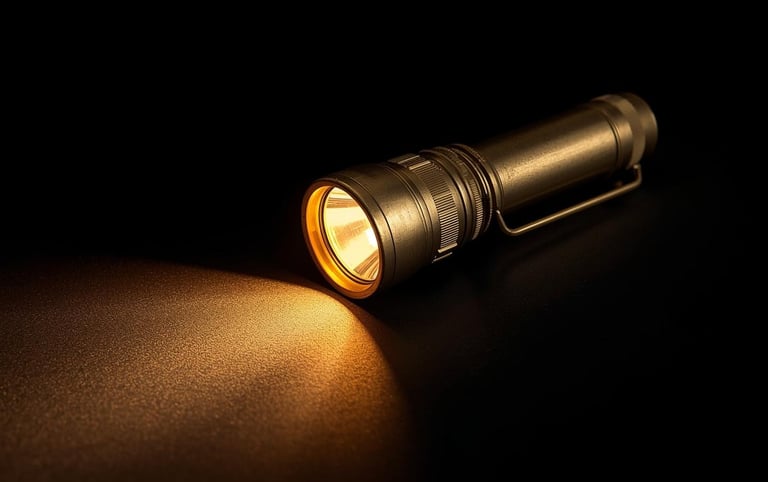
Flashlights with extra batteries
Rechargeable lights or headlamps
Solar or hand-crank lanterns
Tip:
Keep one flashlight in each main living area and bedroom so you’re not searching in the dark.
2. Plan for Heat (Safely)
If your primary heat source requires electricity, you’ll need backups.
Heat options to consider:
Fireplace or wood stove (with dry wood ready)
Indoor-safe propane or kerosene heaters
Extra blankets, sleeping bags, and layered clothing
Closing off unused rooms to retain heat
Important:
Only use heaters rated for indoor use, and always install carbon monoxide detectors with battery backup.
3. Stock Easy, No-Cook Foods
Power outages often mean no stove, microwave, or oven.
Good food options:
Canned soups, beans, and vegetables
Peanut butter, crackers, and shelf-stable snacks
Protein bars or trail mix
Manual can opener
Water reminder:
Store at least one gallon of water per person per day for drinking and basic needs.
4. Keep Communication Devices Powered
Staying informed and connected is critical during outages.
Prep ideas:
Fully charged power banks
Car chargers
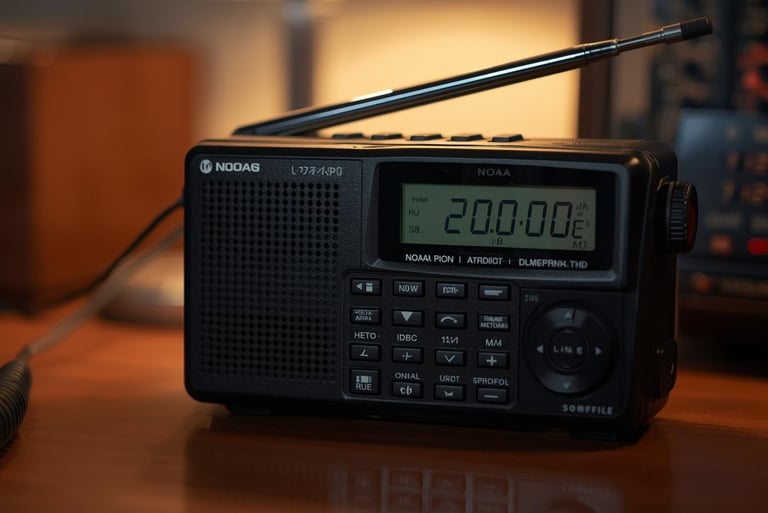
Hand-crank or battery-powered radios
Emergency contact list written on paper
5. Protect Your Home & Plumbing
Frozen pipes can cause major damage.
Preventative steps:
Insulate exposed pipes
Let faucets drip slightly during extreme cold
Know where your main water shut-off valve is
Open cabinet doors under sinks to allow warm air circulation
6. Don’t Forget Pets
Pets feel the cold too — and rely on you for safety.
Pet prep includes:
Extra food and water
Warm bedding
Battery-powered lights for nighttime care
Medications stored in accessible locations
7. Create a Simple Power Outage Kit
Keep essentials together so you’re not searching during an emergency.
Basic kit items:
Flashlights & batteries
Blankets
Shelf-stable food
First-aid kit
Power banks
Matches or lighters
Important documents (copies)
Store kits where they’re easy to grab.
8. Know What NOT to Do
Avoid these dangerous mistakes:
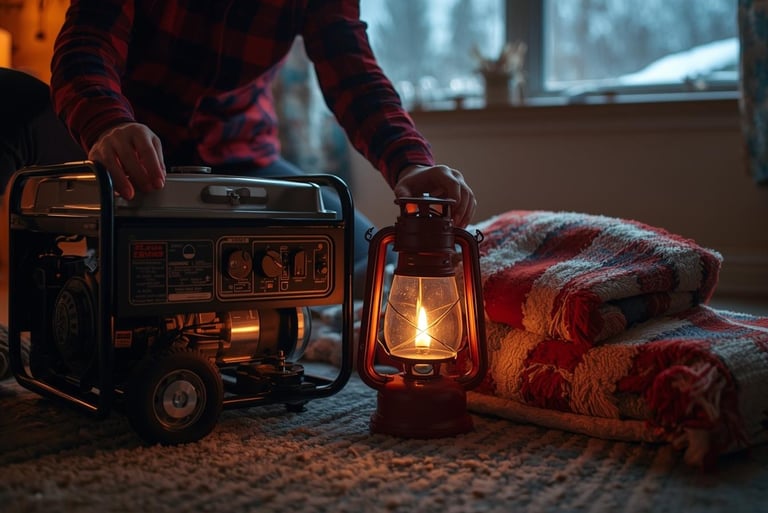
Using outdoor grills or generators indoors
Running a car in a closed garage
Overloading extension cords
Leaving candles unattended
Safety should always come first.
Final Thoughts
Winter power outages are unpredictable, but preparation doesn’t have to be overwhelming. A little planning now can protect your home, keep your family warm, and reduce stress when the lights go out.
Preparedness is about peace of mind, not panic — and the best time to prepare is before the storm hits.