How to Do a Pantry Challenge (And Why It’s Worth It)
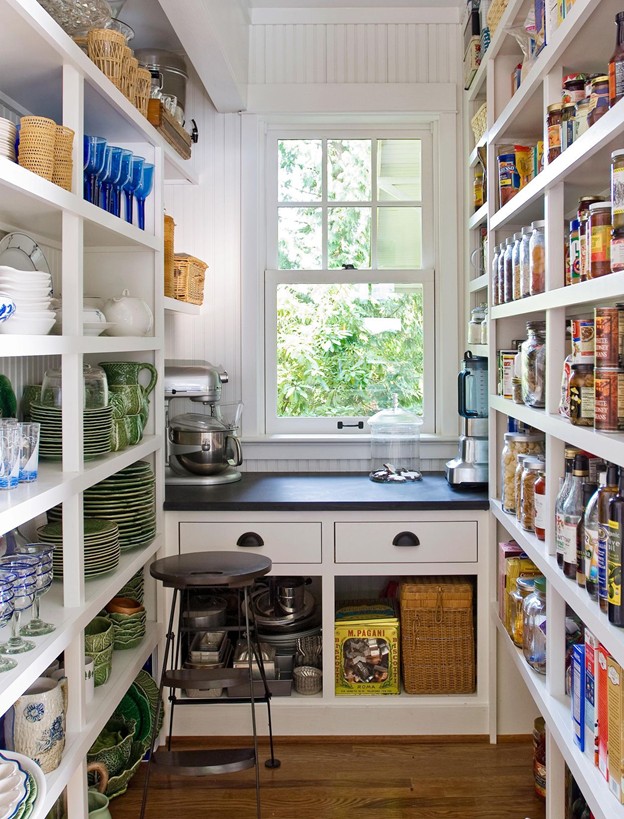
A pantry challenge is one of the simplest ways to save money, reduce food waste, and get reacquainted with what you already have. No complicated rules. No perfection required. Just using what’s on hand—intentionally. If your pantry, freezer, or cupboards feel a little out of control, this challenge is a reset button. Here’s how to do a pantry challenge step by step—and how to make it work in real life.
PREPPING FOR TOMORROWS UNCERTAINTIES
Jv
2/11/20263 min read
What Is a Pantry Challenge?
A pantry challenge is a set period of time (often 7, 14, or 30 days) where you focus on eating the food you already have at home before buying more.
You may still purchase essentials like fresh produce, dairy, or bread—but the goal is to use what’s stocked instead of defaulting to the grocery store.
Think of it as:
Shopping your own shelves
Clearing out forgotten food
Giving your budget and your brain a break
Step 1: Choose Your Challenge Length
Start with a time frame that feels doable—not overwhelming.
Popular options:
7 days → great for beginners
14 days → a solid reset
30 days → a full pantry clean-out
There’s no prize for choosing the longest challenge. Consistency beats intensity.
Step 2: Do a Pantry & Freezer Inventory
This is the most important step.
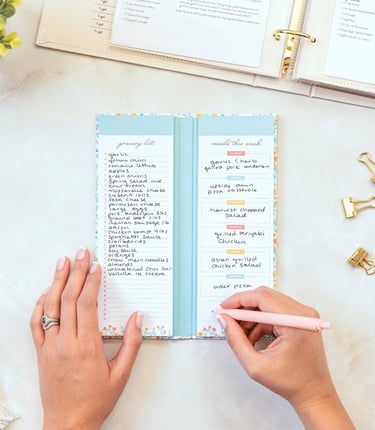
Grab a notebook or printable and quickly list:
Pantry items (cans, pasta, rice, sauces)
Freezer food (meat, veggies, leftovers)
Fridge staples you need to use soon
You don’t need to be fancy—just enough to see what you’re working with.
You’ll probably discover:
Duplicate items
Expired or forgotten food
Ingredients for meals you didn’t realize you could make
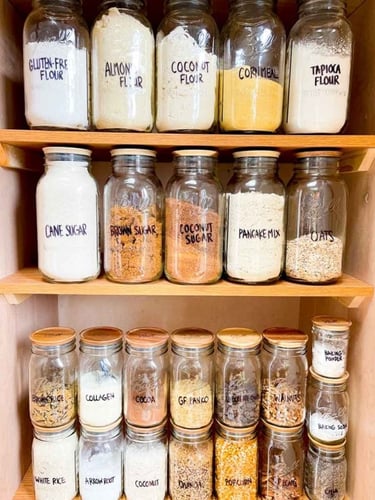
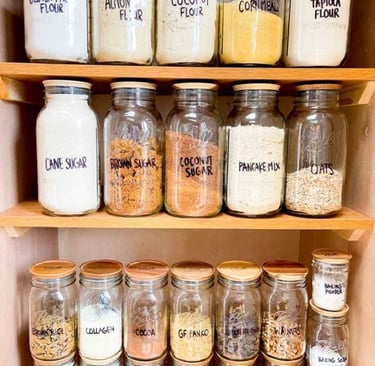
I have created a free Pantry Challenge Guide to walk you through your next pantry challenge

Step 3: Set Simple Rules
Clear rules make
the challenge
easier.
Here are a few
common ones—
choose what
works for your
household:
Use pantry & freezer food first
Buy only essentials (produce, milk, eggs if needed)
No impulse grocery trips
No stocking up “just in case”
This is about awareness—not restriction.
Step 4: Create a Flexible Meal Plan
Instead of planning every meal perfectly, plan themes or ingredient-based meals.
Examples:
Soup & sandwich nights
Stir-fry using freezer veggies
Pasta with whatever sauce is open
Breakfast for dinner
Leave room for leftovers and simple meals. Pantry challenges are not the time for complicated recipes.
Step 5: Track What You Use (Not What You Skip)
As you cook, jot down:
What meals worked well
What ingredients you used up
What you didn’t touch at all
This becomes valuable information for future grocery shopping.
The real win isn’t “no spending”—it’s learning your habits.
Step 6: Allow Small, Intentional Purchases
A successful
pantry challenge
is realistic.
It’s okay to buy:
Fresh produce
Dairy or bread
One or two missing ingredients that make meals work
What you’re avoiding is mindless spending.
Step 7: Reflect at the End of the Challenge
When the challenge ends, take a few minutes to reflect:
Ask yourself:
Did I save money?
What food do I overbuy?
What meals were surprisingly easy?
What will I stop buying going forward?
This step turns a pantry challenge into a long-term habit shift.
Why Pantry Challenges Work So Well
Reduce food waste
Save money without budgeting apps
Clear pantry clutter
Reduce decision fatigue
Build confidence in the kitchen
Most importantly, they help you pause before consuming—which carries into other areas of life too.
Final Thoughts
A pantry challenge doesn’t need to be perfect to be powerful.
Start where you are. Use what you have. Learn as you go.
Even a short challenge can change how you shop, cook, and think about food—and that’s a win worth repeating