Foraging in Winter: Pine, Cedar, and What’s Still Available in the Northeast
Winter foraging is slower, quieter, and more observational—but the forest still provides. In this post, I share a gentle winter foraging walk focused on pine needles, white cedar leaves, fallen branches, and other seasonal finds beneath the snow. A simple guide to winter foraging, seasonal living, nature walks, and connecting with the outdoors during the colder months.
FORAGING
Jv
3/23/20263 min read
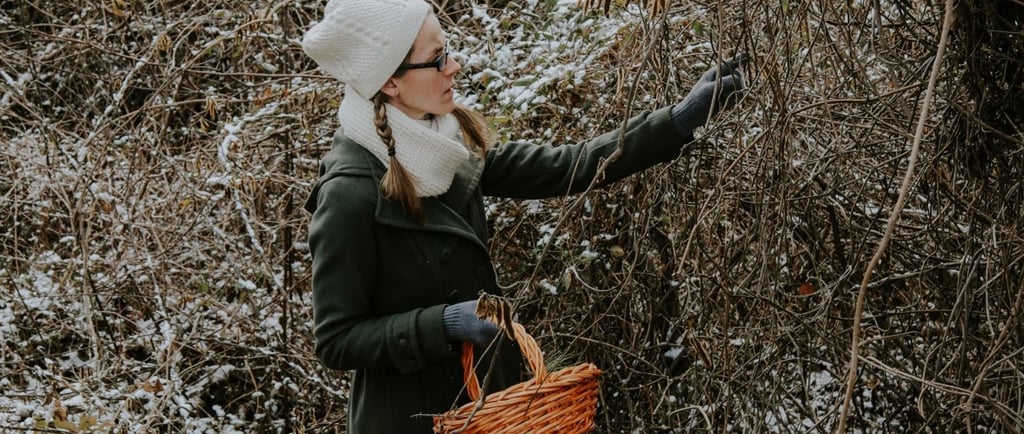
Foraging in Winter: Pine, Cedar, and What’s Still Available in the Northeast
Winter foraging looks very different from spring and summer—especially in the Northeast when snow can be a foot deep or more.
When the ground is buried, winter foraging becomes less about harvesting large quantities and more about observation, evergreen plants, and what remains accessible above the snow. Even in deep winter, the forest still offers a few reliable options if you know what to look for.
This guide focuses on safe, visible winter foraging—no digging, no disturbing the forest floor, and no forcing what isn’t available.
What Winter Foraging Really Looks Like in the Northeast
With deep snow cover:
Roots and low-growing plants are inaccessible
Most edible greens are dormant
Foraging is limited to trees, evergreens, and persistent plants
Winter foraging is slower, quieter, and more intentional. It’s about connecting with the landscape and recognizing what endures through cold and snow.
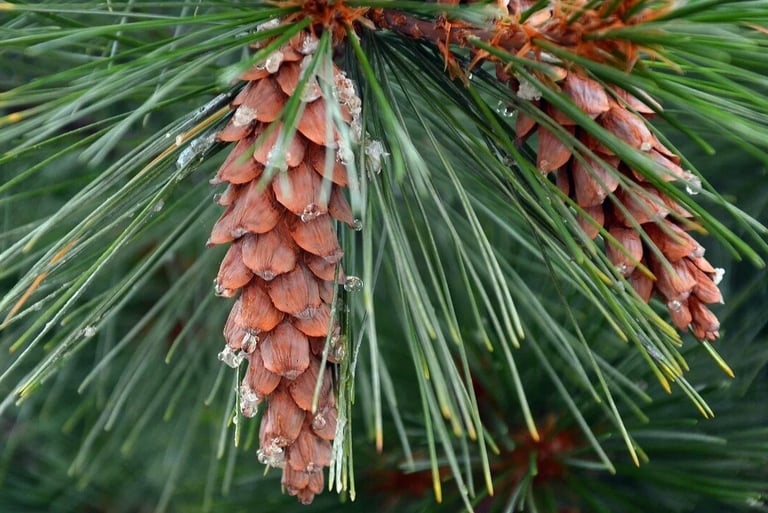
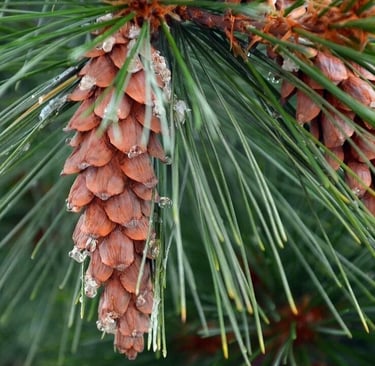
Pine Needles: A Classic Winter Forage
Pine trees are one of the most accessible winter forage plants in the Northeast.
How to Identify Pine
Long needles grouped in bundles (usually 2–5 needles per bundle)
Needles attached directly to branches (not individually like spruce or fir)
What to Harvest
Fresh green needles from healthy branches
Avoid brown, brittle, or fallen needles
Common Uses
Pine needle tea
Aromatic infusions
Decorative or seasonal crafts
Important: Always positively identify pine. Some evergreen species are not edible.
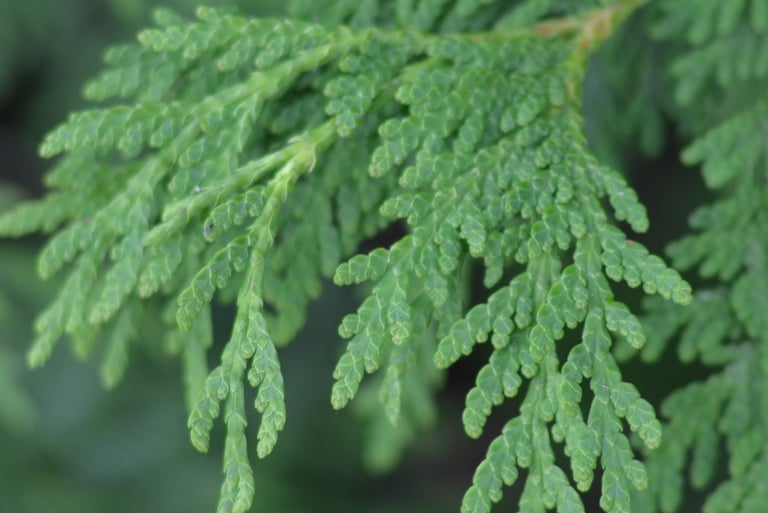
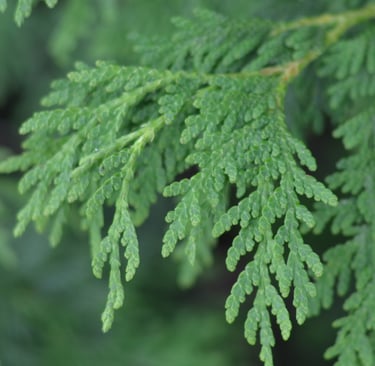
White Cedar (Northern White Cedar / Arborvitae)
White cedar is another winter-accessible evergreen commonly found in the Northeast.
Identification Tips
Flat, scale-like leaves
Strong, fresh, evergreen scent when crushed
Often found along forest edges and wetlands
How It’s Used
Small amounts for tea or infusions
Aromatic purposes
Traditional herbal uses
Cedar should be used sparingly and intentionally, and only when properly identified.
Fallen Branches & Evergreen Boughs
While not edible, fallen evergreen branches are still valuable winter foraging finds.
Common Uses
Winter decorations
Fire starters (when dry and permitted)
Natural crafts and wreaths
Mulch or garden edging once snow melts
Only collect branches already on the ground—never break live limbs.
Other Plants You May Find Above the Snow
Even with deep snow, a few hardy plants can sometimes still be visible depending on conditions, wind, and terrain.
Rose Hips
Bright red or orange fruits left on wild rose bushes
Often remain visible above snow
Best harvested after frost
Sumac Berries
Red berry clusters on staghorn sumac
Often stand above snow drifts
Used for sumac tea (when properly identified and clean)
Seed Heads & Grasses (Non-Edible)
Useful for identification practice
Helpful for learning plant locations for spring
Great for winter observation and journaling
What You Won’t Be Foraging in Deep Snow
When there’s over a foot of snow, it’s best to accept these limits:
No digging for roots or tubers
No low-growing greens
No mushrooms (generally dormant or inaccessible)
Winter is not the season to push limits—it’s a season to observe and prepare.
A Gentle, Responsible Approach to Winter Foraging
Winter foraging isn’t about abundance. It’s about:
Learning tree identification
Practicing sustainable harvesting
Building seasonal awareness
Staying connected to nature year-round
Take only small amounts, never strip a plant, and follow local foraging guidelines.
Final Thoughts: Winter Is Still a Foraging Season—Just a Quiet One
Even under deep snow, the forest still offers small gifts: evergreen needles, cedar leaves, fallen branches, and the chance to slow down and notice what survives winter.
Winter foraging in the Northeast is less about what you collect—and more about what you learn.
Foraging Reminder
Always positively identify plants, harvest responsibly, and consult local guidelines. This content is for educational purposes only.
If you enjoy slower living and learning with the seasons, you’ll love the videos
On my Views From My Backyard YouTube channel, I take you along for gardening days, forest walks, backyard projects, and everyday moments close to nature.
Join me on YouTube